
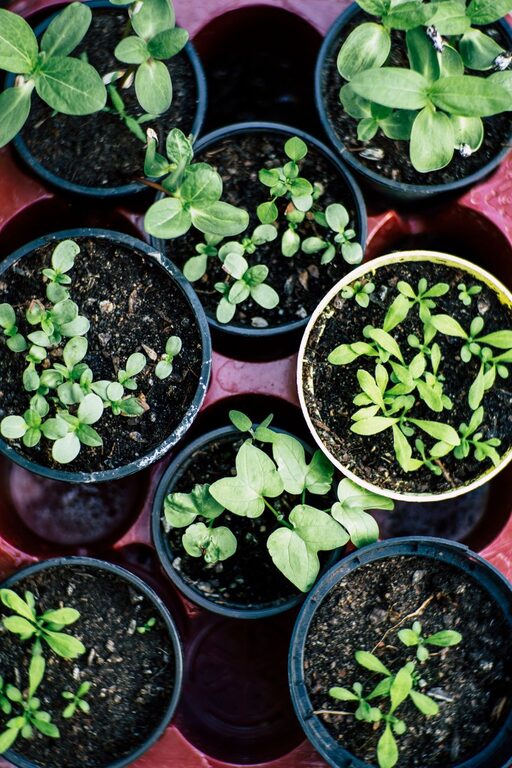
Starting a home garden is a rewarding experience that offers a range of benefits, from improving your well-being to promoting sustainability. Whether you have a spacious backyard or a small balcony, gardening can bring a touch of nature into your daily life. If you’re new to gardening, this guide will explore the advantages of setting up a home garden and provide simple tips to help you get started with confidence.
Why Set Up a Home Garden?
1. Fresh and Nutritious Produce
Growing your own fruits, vegetables, and herbs means you have access to fresh, chemical-free food right at your doorstep. Home-grown produce often tastes better since it can be harvested at peak ripeness. This freshness also means higher nutrient content compared to store-bought alternatives.
2. Physical and Mental Health Benefits
Gardening is a gentle form of exercise that improves strength, stamina, and flexibility. It also encourages spending time outdoors, which can boost mood and reduce stress levels. Many find gardening to be therapeutic, helping to combat feelings of anxiety or depression.
3. Environmental Impact
A home garden helps reduce your carbon footprint by decreasing the need for transportation and packaging associated with supermarket produce. It can also enhance local biodiversity by providing habitats for pollinators like bees and butterflies.
4. Cost Savings
Growing your own food can lower your grocery bills over time. While there is an initial investment in seeds, soil, and tools, these costs are usually much less than the price of buying organic or specialty produce.
5. Learning and Family Bonding
Gardening encourages curiosity and learning about nature, seasons, and plant care. It can be a fun and educational activity for children, promoting responsibility and a connection with the environment.
Tips for Beginners Starting a Home Garden
1. Start Small and Simple
Begin with a few easy-to-grow plants such as radishes, lettuce, herbs (like basil or mint), or cherry tomatoes. Small containers or raised beds are perfect for beginners. This approach prevents feeling overwhelmed and helps you build confidence.
2. Choose the Right Location
Select a spot that receives plenty of sunlight, ideally 6 to 8 hours a day. Good drainage and protection from strong winds are also important. If space is limited, consider vertical gardening or window boxes.
3. Prepare the Soil
Healthy soil is the foundation of a thriving garden. Use quality compost or organic matter to enrich your soil. If your soil is poor or sandy, add compost to improve texture and fertility.
4. Pick Suitable Plants for Your Climate
Choose plants that are well-suited to your local weather and growing season. Check seed packets or gardening guides for information about planting times and temperature needs.
5. Water Wisely
Plants need regular watering, especially in dry spells, but overwatering can cause root problems. Water early in the morning or late in the evening to reduce evaporation. Using a watering can or drip irrigation helps target the water to the roots.
6. Use Natural Pest Control
Rather than relying on chemicals, encourage beneficial insects like ladybirds that help control pests. Companion planting—growing certain plants together—can also deter harmful insects.
7. Keep a Gardening Journal
Record your planting dates, growth progress, and any challenges. This can help you learn from each season and improve your gardening skills over time.
8. Be Patient and Persistent
Plants take time to grow, so don’t be discouraged by slow progress or occasional setbacks. Gardening is a continual learning process, and even experienced gardeners face challenges.
Useful Tools and Materials to Get Started
– Gardening gloves
– Hand trowel and fork
– Watering can or hose with spray nozzle
– Pots, planters or raised beds
– Quality compost and seeds or seedlings
– Mulch to retain moisture and suppress weeds
Conclusion
Setting up a home garden is a fulfilling project that enriches your lifestyle in many ways, from adding fresh food to your plate to improving your mental health. With a little planning and care, beginners can enjoy the pleasures of gardening without feeling overwhelmed. Remember to start small, choose appropriate plants, and enjoy the experience of connecting with nature. Whether it’s a few pots of herbs or a full vegetable patch, your home garden can bring lasting benefits to you and your household. Happy gardening!