
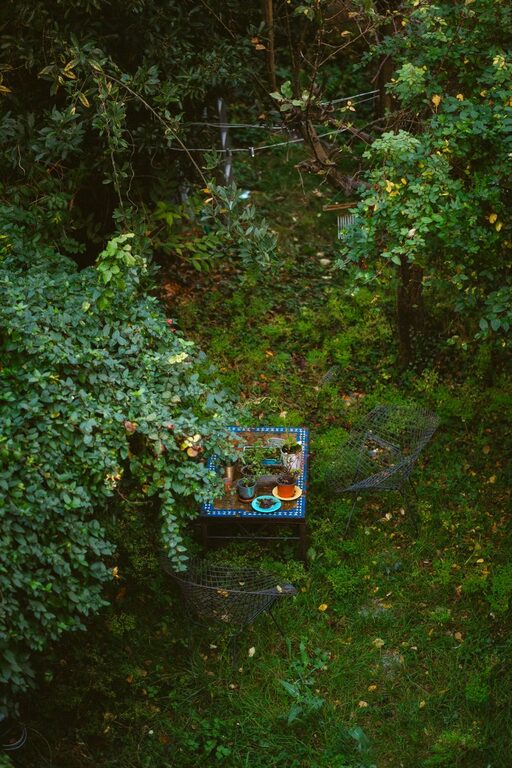
Creating a relaxing garden space at home is a wonderful way to bring peace and beauty right to your doorstep. Gardens offer a natural retreat where you can unwind, connect with nature, and enjoy fresh air. Whether you have a large backyard or a small patio, a thoughtful garden design can transform any outdoor area into a peaceful sanctuary. Here are some helpful tips to guide you in creating your own relaxing garden space.
Planning Your Garden Space
Before planting or buying furniture, take a moment to think about how you want your garden to feel and function. Consider the size of your space, sunlight, privacy, and your personal preferences.
Set a Purpose
Decide what you primarily want from your garden. Is it a place to read, meditate, entertain, or simply enjoy nature? Knowing your purpose will help determine the design and features you need.
Assess the Space
Look at the layout of your garden. Identify sunny and shaded areas, soil quality, and where water sources are located. This will influence the types of plants you can grow and where to place seating or decorative elements.
Create Zones
If your space allows, divide your garden into zones based on different activities. For example, a dining area, a quiet corner with a bench, and a flower bed. This structured approach adds interest and function.
Choosing Plants for Relaxation
Plants are at the heart of any garden. They bring colour, scent, texture, and life. When selecting plants, consider those that promote calm and can thrive in your garden’s conditions.
Opt for Low-Maintenance Plants
If you want your garden to be a stress-free zone, choose plants that require minimal care. Perennials, evergreen shrubs, and native species often work well and reduce the time spent on upkeep.
Incorporate Fragrant Plants
Scented plants like lavender, rosemary, jasmine, or gardenia can provide a soothing fragrance that enhances relaxation. Their smells can also attract pollinators like bees and butterflies, adding movement to the space.
Use a Mix of Textures and Colours
Combine soft foliage with bold flowers to add depth and interest. Calm, muted colours like greens, blues, and pastels are known to have a relaxing effect, while bright colours can be energising but used sparingly.
Add Water-Loving Plants Near Water Features
If you have a pond or fountain, plant moisture-loving plants such as hostas, ferns, or water lilies around it to create a natural look and encourage wildlife.
Making the Most of Garden Furniture
Comfortable seating is essential for enjoying your garden. Choose furniture that fits your space and style while inviting you to relax.
Choose Comfortable, Weatherproof Furniture
Materials like teak, rattan, or metal with weatherproof cushions are durable and comfortable. Consider ergonomic designs to support good posture while you relax.
Create Shaded Areas
Install a pergola, umbrella, or plant trees to provide shade. A cool, shaded spot can make your garden more enjoyable even on warm days.
Include Small Tables
A side table or coffee table is handy for holding books, cups of tea, or garden accessories, making your garden time more convenient.
Adding Relaxing Elements
Beyond plants and furniture, there are many ways to enhance your garden’s tranquil atmosphere.
Water Features
A fountain, birdbath, pond, or waterfall brings soothing sounds that help mask city noise and encourage mindfulness.
Lighting
Soft, warm lighting such as fairy lights, lanterns, or solar-powered path lights creates a cosy ambience for evening relaxation.
Garden Art and Accessories
Sculptures, wind chimes, or ornamental pots can add personality without overwhelming the serenity of the space.
Pathways and Borders
Clearly defined pathways made from gravel, stone, or decking guide visitors gently through your garden and invite exploration.
Incorporating Wildlife-Friendly Features
Encouraging wildlife not only benefits the environment but also adds dynamic life and sounds to your garden, making it even more calming.
Bird Feeders and Baths
Providing food and water attracts birds, adding cheerful songs and visits throughout the day.
Butterfly and Bee-Friendly Plants
Planting nectar-rich flowers such as coneflowers or lavender helps pollinators thrive and adds natural movement.
Avoid Chemicals
Opt for organic garden care to keep your garden safe and healthy for wildlife and yourself.
Maintaining Your Garden for Long-Term Relaxation
A relaxing garden doesn’t have to be high-maintenance. Establishing a routine will keep your garden looking inviting without stress.
Regular Tidying
Spend a little time weekly trimming, weeding, and watering as needed. This prevents the garden from becoming overgrown and chaotic.
Seasonal Tasks
Adjust your gardening tasks with the seasons—plant spring bulbs in autumn, prune shrubs in late winter, and mulch beds before summer.
Keep It Personal
Add new elements or plants according to your mood. Keep the garden a reflection of your personal sanctuary that evolves with you.
Final Thoughts
Creating a relaxing garden space at home is both enjoyable and rewarding. With thoughtful planning, a focus on comfort, and a touch of nature’s beauty, your outdoor space can become a peaceful haven away from the hustle and bustle of everyday life. Remember, the best garden for relaxation is one that suits your unique tastes and lifestyle, so take your time and enjoy the process!
—
By following these tips, you can design a garden space that invites calm, refreshes your spirit, and brings the joy of nature closer to home. Happy gardening!