Creating a home office space that is both relaxing and productive can be a game changer for your work-from-home routine. Whether you’re freelancing, running a business, or simply need a designated spot for daily tasks, your environment significantly impacts your focus and well-being. This guide offers easy-to-follow tips to help you strike the right balance, ensuring your home office is a comfortable, inspiring haven that keeps you motivated.
1. Choose the Right Location
The first step to a great home office is selecting the perfect spot.
– Quiet and Low-Traffic Area: Aim for a place away from busy rooms and distractions like the television or kitchen.
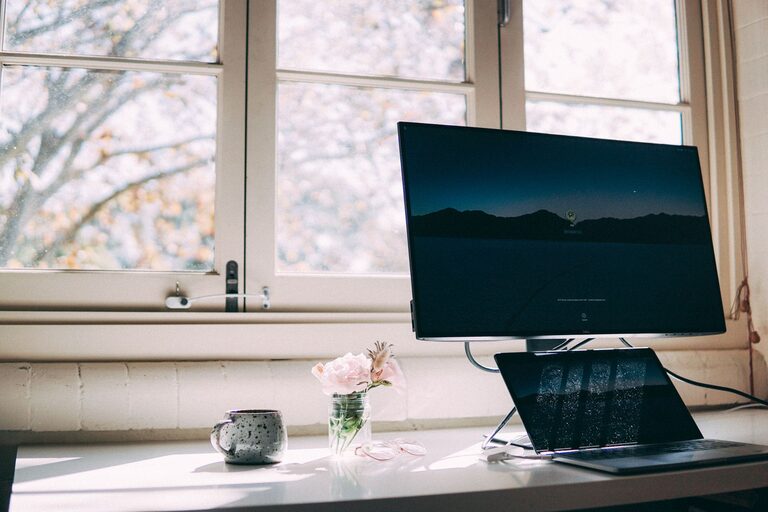
– Natural Light: If possible, pick a room or corner with plenty of natural light, which can improve mood and reduce eye strain.
– Space for Movement: Ensure there’s enough room to move comfortably and to add storage or equipment as needed.
2. Invest in Ergonomic Furniture
Your comfort while working is essential for productivity and health.
– Desk Height and Size: Choose a desk at a comfortable height that allows your arms to rest naturally while typing. It should also have enough space for your computer, paperwork, and any other essentials.
– Chair Support: Invest in an adjustable chair that supports your back, promotes good posture, and prevents discomfort during long hours.
– Footrest and Accessories: Consider extra accessories like a footrest or wrist supports if needed to improve comfort further.
3. Declutter and Organise Efficiently
A tidy space helps clear your mind and keeps distractions at bay.
– Storage Solutions: Use shelves, drawers, and organisers to keep your materials orderly. Label boxes and folders for easy access.
– Limit Items on Desk: Keep your desk surface clear by only having essentials such as your computer, a notebook, and a pen.
– Regular Maintenance: Set aside time each week to tidy up and reorganise, preventing clutter from building up.
4. Personalise to Suit Your Style
Adding personal touches will make your home office inviting and motivating.
– Colour Choices: Choose calming colours like soft blues, greens, or neutrals that promote relaxation and focus.
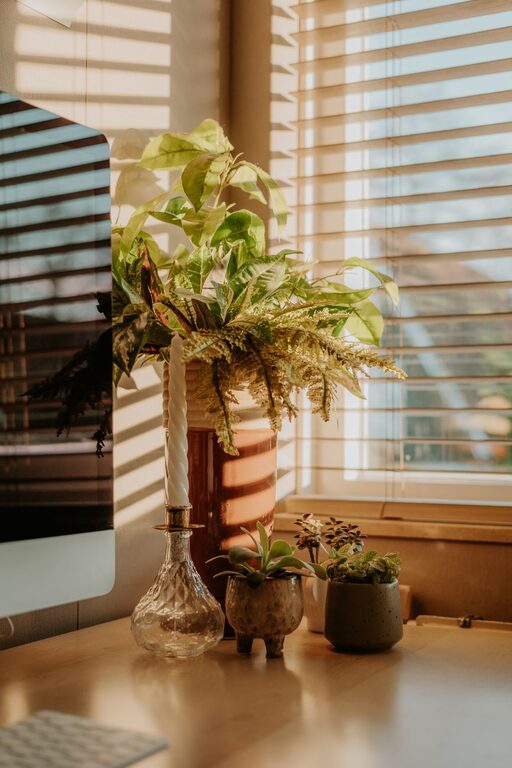
– Artwork and Plants: Hang inspiring artwork or photos and include indoor plants to enhance the atmosphere and air quality.
– Comfort Items: Incorporate items like cushions, a cosy throw, or a favourite mug to create a welcoming environment.
5. Control Lighting Effectively
Lighting plays a vital role in maintaining energy and reducing fatigue.
– Natural Light First: Maximise daylight by positioning your desk near a window.
– Layered Lighting: Use a combination of ambient lighting (overhead), task lighting (desk lamps), and accent lighting to prevent eye strain.
– Adjustable Brightness: Consider lamps with dimmer switches or adjustable brightness to match different times of the day.
6. Minimise Noise and Distractions
Creating a quiet space supports concentration.
– Noise-Cancelling Headphones: These can help block out background noise if you cannot control the environment.
– Soundproofing Ideas: Rugs, curtains, and soft furnishings can absorb sound, reducing echoes or external noise.
– Set Work Boundaries: Communicate your working hours to household members to limit interruptions.
7. Use Technology Wisely
Leverage technology to make your work smoother.
– Reliable Equipment: Invest in a good computer, fast internet connection, and quality peripherals like a keyboard and mouse.
– Organising Apps: Use digital calendars, task managers, and note-taking apps to keep on top of your workload.
– Cable Management: Use clips, ties, or under-desk trays to keep cords tidy, avoiding mess and hazards.
8. Create a Routine and Break Area
A space isn’t just about your desk; it’s about your whole workday habits.
– Dedicated Break Space: If possible, have a separate chair or cozy corner for your breaks. Moving away from the desk helps your mind relax.
– Schedule Breaks: Incorporate short breaks to stretch, hydrate, or take a walk to enhance productivity.
– Daily Rituals: Develop start and finish routines (like making tea, organising your desk, or clearing your calendar) to signal work time and personal time.
9. Encourage Fresh Air and Movement
Keeping air fresh and your body active boosts energy and mental clarity.
– Ventilation: Open windows regularly to circulate fresh air.
– Standing Desk Option: Consider a sit-stand desk to alternate positions during the day.
– Stretching and Movement: Incorporate light stretching or quick exercises to prevent stiffness and stay alert.
—
By investing time and thoughtful consideration into designing your home office, you create a space that supports your productivity and well-being. Experiment with what works best for you and remember that flexibility and comfort are key to sustaining motivation in your work-from-home environment. Happy organising!