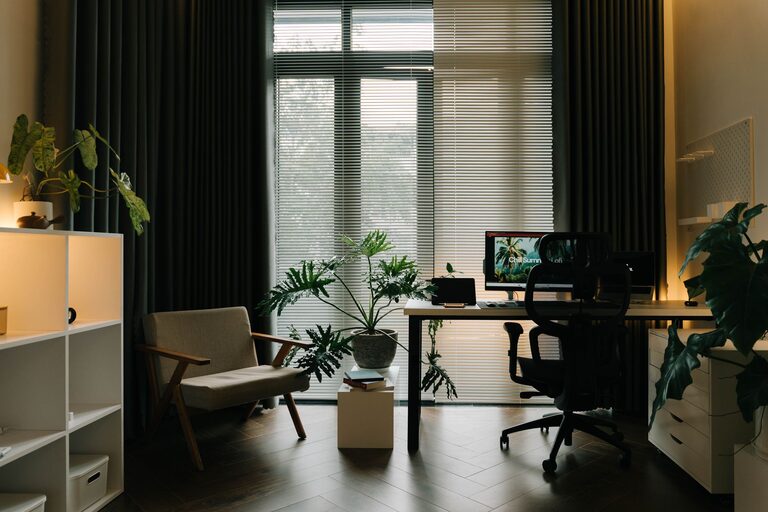
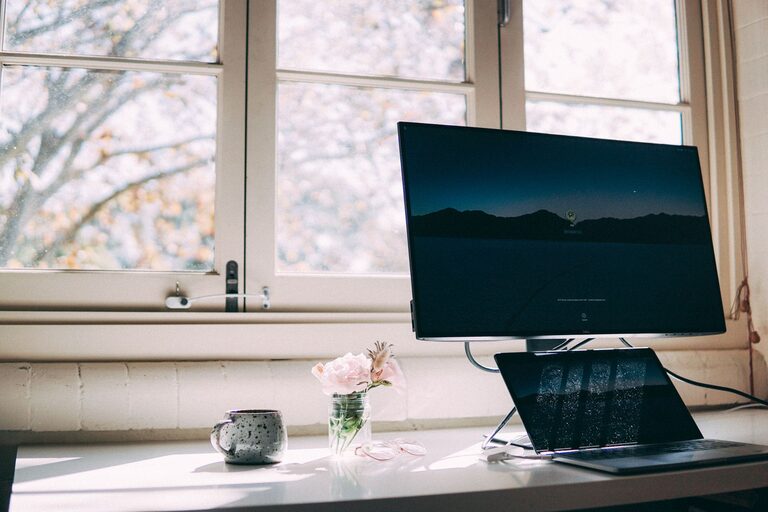
Working from home has become a common part of many people’s lives, offering flexibility and comfort. However, creating a home workspace that truly supports productivity can be a challenge. The key is to design a space that not only promotes focus but also complements your lifestyle. In this post, we’ll explore practical tips to help you set up a productive home workspace that works for you.
Understand Your Work Needs
Before you start rearranging furniture or buying equipment, it’s important to consider your specific work requirements and habits.
Identify Your Main Tasks
Are you mostly on video calls, writing reports, designing graphics, or managing emails? Knowing the nature of your work helps you choose the right tools and setup.
Consider Your Work Hours
Think about when you work best. Are you an early bird or a night owl? Adjust your workspace lighting and noise control to fit your natural rhythm.
Choose the Right Location
Finding the ideal spot for your home workspace is crucial for focus and comfort.
Pick a Quiet Area
Select a space away from daily distractions such as the television, kitchen, or noisy family members. Even a small corner in a quieter part of the house can work well.
Maximise Natural Light
Working near a window with plenty of daylight can boost mood and energy levels. If natural light is limited, invest in good-quality, adjustable lighting.
Ensure Good Ventilation
Fresh air helps your brain stay alert. Avoid enclosed spaces with poor airflow.
Invest in Comfortable and Functional Furniture
Furniture directly impacts your physical comfort and productivity.
Choose an Ergonomic Chair
A chair with good lumbar support, adjustable height, and comfortable cushioning protects your posture during long hours.
Find the Right Desk
Consider your work tools and choose a desk that fits them comfortably. Adjustable desks that allow you to switch between sitting and standing can promote better health.
Organise Storage
Use shelves, drawers, or organisers to keep your workspace tidy. Clutter can hinder concentration.
Optimise Technology and Equipment
Having the right tech setup makes a big difference.
Reliable Internet Connection
A strong and stable internet connection is essential, especially if you attend remote meetings or need fast downloads.
Essential Devices
Ensure your computer, printer, headphones, and other devices are suited to your tasks. Invest in a good webcam and microphone if video calls are frequent.
Cable Management
Use clips or sleeves to organise cables and avoid a tangled mess that looks messy and can be distracting.
Create an Inspiring and Personalised Environment
Your workspace should feel inviting and motivate you to work.
Decorate Thoughtfully
Add plants, artwork, or meaningful items that make you smile but don’t overwhelm the space.
Use Colour Wisely
Different colours can affect mood. Soft blue or green tones encourage calmness and focus, while brighter colours can energise.
Manage Noise Levels
If you can’t avoid household noise, consider noise-cancelling headphones or playing subtle background music or ambient sounds.
Set Boundaries and Routines
Balancing work and home life is easier when boundaries and routines are clear.
Define Work Hours
Stick to set start and finish times to avoid burnout and help others know when you are not to be disturbed.
Separate Work and Leisure
Try to keep your workspace distinct from relaxation areas. This helps your mind switch between work and rest.
Take Regular Breaks
Short breaks help maintain focus. Stand up, stretch, or step outside briefly to refresh your mind.
Maintain Good Habits
Long-term productivity depends on sustaining healthy habits.
Keep Your Workspace Clean
Spend a few minutes at the end of each day tidying your workspace.
Review and Adjust
Regularly assess what’s working and what’s not. Your needs may change, so be flexible and tweak your setup as necessary.
Prioritise Wellbeing
Pay attention to your posture, take eye breaks from screens, and ensure you stay hydrated throughout the day.
—
Creating a productive home workspace tailored to your lifestyle takes some thought and effort, but the benefits are well worth it. With the right location, furniture, technology, and habits, you can build a space that helps you work efficiently while feeling comfortable and motivated. Start with small changes and develop a setup that supports your success and wellbeing every day.